Certified Master Inspector·CCPIA Commercial Property Inspector·Phase I Environmental

Based in Clermont, Florida. We travel to where the work is.

Call Now Request a Proposal

Environmental Due Diligence

Phase I Environmental Site Assessments

A Phase I tells you whether a commercial property has a history that could mean environmental liability for the next owner. It is a records and site review, and it is how buyers and lenders look into that risk before the deal closes.
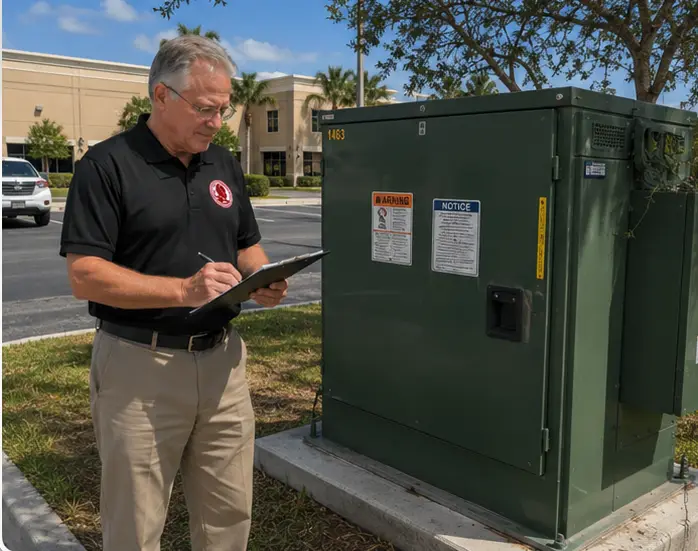
Grant Doutt documenting site conditions beside a utility cabinet on a commercial property

What it is

A Look Into The Property's Past

In Plain Language

A building inspection tells you the condition of the building. A Phase I tells you about the property's history: what it was used for, what was stored or spilled there, and whether anything nearby could have affected it.

It follows the ASTM E1527-21 standard and is designed to meet the federal “all appropriate inquiries” requirement. It does not involve digging, drilling or taking samples.

Who needs one

Who Asks For A Phase I

Buyers of commercial property

Before you close, you learn whether the site has a history that could become your problem.

Borrowers whose lender requires one

Many lenders ask for a Phase I before they fund a commercial loan. Tell us early so the report fits your loan timeline.

Investors and developers

A property that looks clean can have an old use behind it. The records show what the building and the land were used for in the past.

Owners planning to sell or refinance

Knowing what a buyer or lender will find lets you deal with it on your own schedule.

Buyers of older commercial sites

Former gas stations, dry cleaners, auto repair shops and industrial buildings are the classic reasons a Phase I matters.

Buyers of land and former farmland

Past farming, fill dirt and old storage tanks can leave things in the ground that are not visible today.

The process

What Goes Into A Phase I

  1. 1Records ReviewHistorical aerial photos, maps and past owners and uses of the site, going back as far as the records allow.
  2. 2Database SearchFederal, state and local environmental records for the property and for nearby sites that could affect it.
  3. 3Site VisitGrant walks the property and looks for stains, drums, tanks, drains, odors, stressed vegetation and signs of past use.
  4. 4InterviewsQuestions for the owner, the occupants and, where possible, local officials who know the property.
  5. 5The ReportA written report that explains what was found, what it means, and whether further steps are recommended.

Your Phase I is performed by a qualified Environmental Professional, as the standard requires. Grant handles the site visit and is your contact throughout.

What the report tells you

Findings, In Plain Terms

The report names any recognized environmental conditions, meaning evidence of a release or likely release of hazardous substances or petroleum at the property. It also notes past issues that were cleaned up and closed, and minor conditions that do not call for action.

We explain what each finding means for your decision, so you are not left to decode the terminology.

What it does not include

  • Soil, water or air sampling. That is a Phase II, done by an environmental firm.
  • Testing for asbestos, lead paint, mold or radon, unless added to your scope.
  • A building condition inspection. That is a separate service, and the two work well together.
  • Legal advice. Your attorney can tell you how the findings affect your liability.

If A Concern Turns Up

Most Phase I reports do not lead to further work. If yours finds something that calls for sampling, we will tell you plainly and refer you to an environmental firm that does that work. You will know the risk before you close, not after.

Common questions

Phase I Questions

How is a Phase I different from a commercial building inspection?

A building inspection looks at the condition of the structure and its systems. A Phase I looks at the property's history and its environmental risk. Many buyers and lenders want both.

Can you add it to a building inspection?

Yes. It can be added to any inspection level, so you deal with one company and one point of contact. Add it when you request your proposal.

How long does it take?

Longer than a building inspection, because records come from outside agencies. Tell us your closing or loan deadline on the first call so we can plan around it.

How long is a Phase I good for?

Key parts of a Phase I must be completed within 180 days before the property is acquired, so timing matters. If your deal has been delayed, ask us whether your report is still usable, and check with your lender.

What does it cost?

You get a fixed fee in writing before anything is scheduled. It depends on the property and what your lender requires. Like all our commercial work, it is paid up front when you accept the proposal.

Does a Phase I protect me from liability?

It is designed to help a buyer meet the federal requirements for liability protection, but protection depends on more than the report. Talk to your attorney about how it applies to your purchase.

Need A Phase I?

Tell us about the property and your deadline. We will call you to confirm scope, then send a fixed-fee written proposal.

Four Corners Inspection Services · info@fcisfl.com · (352) 272-1322

Phase I Environmental Site Assessments follow ASTM E1527-21.